
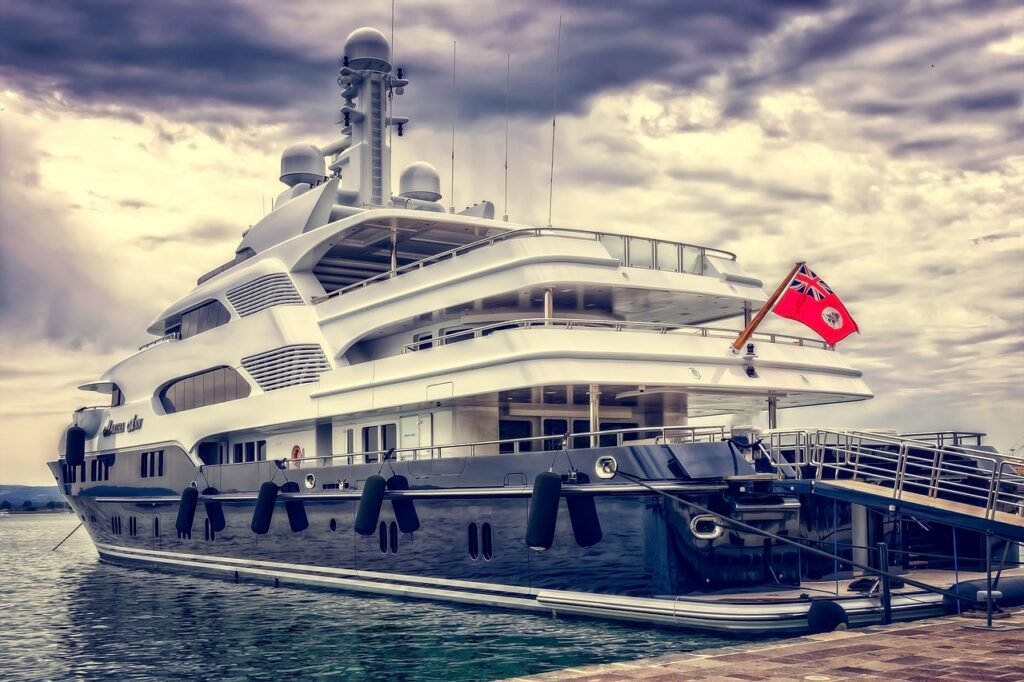
Embarking on the journey of yacht ownership is a dream come true for many. The promise of endless horizons and the thrill of open waters await those who take the plunge into the world of yachts. But beneath the glossy surface of luxury and adventure lies a crucial aspect that every aspiring yacht owner must consider: maintenance. Welcome to a guide that goes beyond the glitz and glamour of yacht ownership. In this exploration, we’ll dive into the heart of the matter, uncovering the essential maintenance considerations that should shape your decision when choosing your very first yacht. Whether you’re drawn to the timeless elegance of sailboats or the power and convenience of motorboats, we’ll navigate through the maintenance intricacies, the choices of hull materials, and the art of accessibility—all to ensure your sailing dreams remain smooth and trouble-free.
Selecting the right yacht isn’t just about style and size; it’s about the practicality of upkeep, the longevity of your investment, and the joy of carefree voyages. We’ll unravel the mysteries of hull materials, from low-maintenance fiberglass to the classic allure of wooden yachts, and explore the intricacies of rigging, hardware, and accessibility for repairs. Whether you’re envisioning serene sails or thrilling powerboat adventures, our guide will provide you with the insights you need to navigate the waters of yacht maintenance. So, join us on this voyage where luxury meets practicality, and where the pleasure of yacht ownership is intertwined with the responsibility of maintenance. It’s time to choose your next yacht with confidence and embark on a lifelong journey of seafaring satisfaction.
Choosing the Right Yacht Type.
The first decision you’ll face when buying a yacht is whether to opt for a sailboat or a motorboat. This choice significantly influences the type and extent of maintenance your yacht will require.
Sailboats.
For those who yearn for a classic and environmentally friendly yachting experience, sailboats are a timeless choice. These vessels harness the power of the wind, offering a serene and graceful way to navigate the open waters. Let’s delve into the pros and cons of sailboats to help you make an informed decision.

Pros of Sailboats:
- Eco-Friendly: Sailboats rely on the wind for propulsion, making them an environmentally friendly choice. You’ll minimize your carbon footprint and enjoy guilt-free sailing.
- Serene Sailing: There’s a unique sense of tranquility that comes with sailing. The absence of engine noise allows you to connect with nature, and you can often hear the gentle lapping of waves against the hull.
- Low Operating Costs: Compared to motorboats, sailboats generally have lower operating costs. You won’t need to spend as much on fuel or engine maintenance.
- Elegance and Tradition: Sailboats embody a rich maritime tradition and timeless elegance. Their design often features sleek lines and beautiful woodwork, appealing to those who appreciate classic aesthetics.
- Skill Development: Sailing a yacht provides an opportunity to learn and hone essential maritime skills. Understanding wind patterns, navigation, and sail trim adds a layer of depth to the yachting experience.
Cons of Sailboats:
- Weather Dependency: Sailboats depend on favorable wind conditions. Calm days can mean slow progress or even drifting, while storms can pose challenges. This dependency on weather can affect your cruising plans.
- Complexity: Sailing involves a learning curve. Beginners may find it initially challenging to master sailing techniques, such as tacking and jibing. Operating the sails and managing the rigging can be complex.
- Maintenance of Rigging: Rigging, including sails, shrouds, and stays, requires regular maintenance. Inspections and replacements can be costly and time-consuming.
- Limited Speed: Sailboats are generally slower than motorboats, making longer passages more time-consuming. If you’re seeking high-speed thrills, a sailboat may not be your best choice.
- Space Trade-Off: To accommodate sail and rigging, sailboats often have less interior space compared to motorboats of the same size. This can impact living and storage space.
Sailboats represent a romantic and eco-conscious choice for yacht ownership, offering a unique connection with the elements and a rich tradition of seamanship. However, they also require a deeper commitment to maintenance and skill development, making them best suited for those who appreciate the journey as much as the destination.
Powerboats.
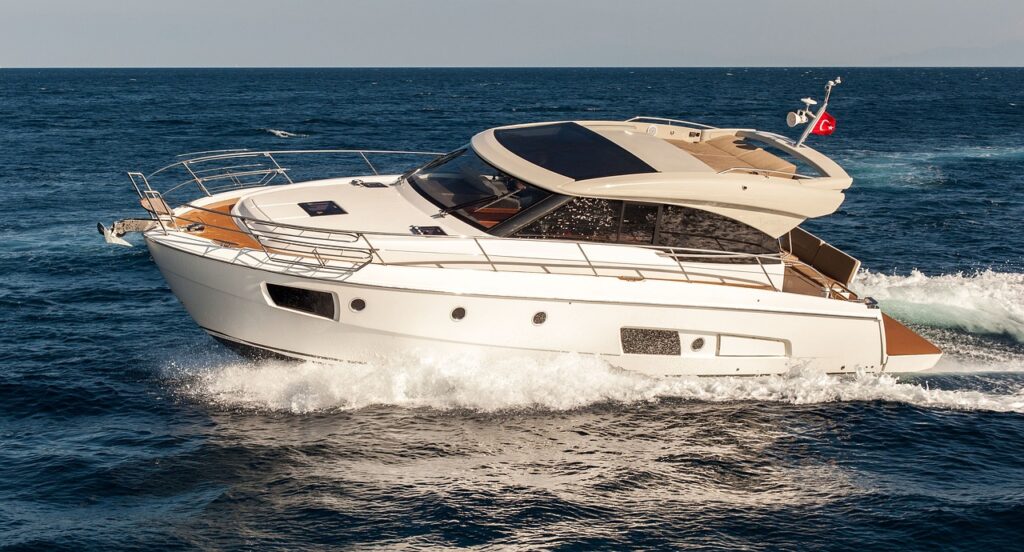
If you’re drawn to the thrill of speed and the convenience of rapid travel on the water, powerboats might be the ideal choice for your first yacht. These vessels are all about raw power and practicality. Let’s explore the pros and cons of powerboats to help you make an informed decision.
Pros of Powerboats:
- Speed and Efficiency: Powerboats are designed for speed. They can quickly cover long distances, making them perfect for day trips or reaching distant destinations without the need for extended travel time.
- Ease of Operation: Operating a powerboat is generally straightforward, making it accessible for beginners. Most powerboats feature user-friendly controls, allowing you to focus on enjoying the ride.
- Comfort and Amenities: Powerboats often provide more spacious and comfortable interiors than sailboats. They are equipped with amenities such as cabins, kitchens, and bathrooms, ensuring a pleasant onboard experience.
- Versatility: Powerboats are versatile and suitable for various activities, including waterskiing, fishing, and cruising. Their versatility makes them an excellent choice for those who want to explore a wide range of water-based hobbies.
- Weather Independence: Unlike sailboats, powerboats are less dependent on wind conditions. You have the freedom to cruise regardless of the weather, making them a reliable choice for consistent adventures.
Cons of Powerboats:
- Fuel Costs: Powerboats are typically less fuel-efficient than sailboats, which can result in higher operational costs. Fuel consumption can be a significant expense, especially for long journeys.
- Maintenance of Engines: Engine maintenance is a primary concern for powerboats. Regular servicing, oil changes, and inspections are essential to ensure engine reliability. Engine repairs or replacements can be costly.
- Environmental Impact: Powerboats emit more pollutants and have a greater environmental impact due to their engines. If environmental sustainability is a concern for you, powerboats may not align with your values.
- Noise and Vibration: The powerful engines in powerboats can generate noise and vibrations, which may affect the tranquility of your sailing experience. Quieter engine models and noise insulation can help mitigate this issue.
- Learning Curve: While powerboats are generally easier to operate than sailboats, there is still a learning curve, especially when it comes to maneuvering at high speeds and handling rough waters. Boating safety and navigation skills are essential.
Powerboats offer an exhilarating yachting experience with their speed, comfort, and versatility. They are well-suited for those who prioritize convenience and rapid travel on the water. However, powerboat ownership also comes with higher fuel and maintenance costs, as well as environmental considerations. Ultimately, your choice should align with your preferences for adventure and your willingness to invest in maintenance and fuel.
In the timeless debate between powerboats and sailboats, the choice ultimately hinges on your priorities and preferences as a yacht owner. Powerboats offer the thrill of speed, convenience, and versatility, making them an attractive choice for those seeking rapid travel and a wide range of water-based activities. Sailboats, on the other hand, provide a serene and eco-conscious yachting experience, emphasizing the connection with nature and the art of seamanship.
When making your decision, consider factors such as your skill level, the type of adventures you envision, your budget, and your commitment to maintenance. Whichever path you choose, the world of yachting promises unforgettable moments and adventures on the open water. It’s a journey that will be shaped not only by your vessel but also by the experiences and memories you create along the way. So, set your course with confidence, and let the winds of your yachting dreams guide you to your next great maritime adventure.
Hull Material.
Choosing the right hull material for your yacht is a critical decision that significantly impacts both its performance and maintenance requirements. Hulls come in various materials, each with its own set of advantages and challenges. Let’s delve into the most common hull materials—fiberglass, steel, and wood—to help you make an informed choice.
Fiberglass Hulls: Durability and Low Maintenance
Fiberglass is one of the most popular hull materials for modern yachts due to its durability and low maintenance requirements. These hulls are constructed by layering fiberglass fabric and resin, resulting in a strong and lightweight structure.
Pros of Fiberglass Hulls:
- Low Maintenance: Fiberglass hulls are known for their low maintenance needs. They resist corrosion, reducing the risk of rust or decay commonly associated with metal or wooden hulls.
- Durability: Fiberglass is highly durable and can withstand harsh marine environments. It’s less prone to damage from impacts or abrasions compared to wood.
- Lightweight: Fiberglass is relatively lightweight, contributing to improved fuel efficiency and better overall yacht performance.
- Versatility: Yachts with fiberglass hulls come in various designs and styles, catering to a wide range of preferences.
- Cosmetic Repairs: While fiberglass is durable, it may develop minor cosmetic issues over time, such as gelcoat cracks or fading. These issues are usually straightforward to address with patching and repainting.
Cons of Fiberglass Hulls:
- Impact Resistance: While fiberglass is durable, it may not be as impact-resistant as steel or aluminum. High-impact collisions can result in structural damage.
- Gelcoat Repairs: Cosmetic repairs to the gelcoat can be necessary over time, requiring sanding and repainting to maintain the hull’s appearance.
- Osmosis Risk: In some cases, fiberglass hulls can experience osmosis, a condition where water infiltrates the hull and causes blisters. Preventive measures such as barrier coatings and regular inspections can mitigate this risk.
Fiberglass hulls are a popular choice for their durability, low maintenance, and versatility. They are well-suited for yacht owners looking for a balance between performance and ease of ownership. Regular inspections and maintenance can keep your fiberglass hull in excellent condition for years to come.
Steel Hulls: Strength and Longevity
Steel hulls offer strength and longevity, making them a preferred choice for long-distance cruising and exploration. These hulls are constructed from marine-grade steel, renowned for its robustness and ability to withstand challenging conditions.
Pros of Steel Hulls:
- Exceptional Strength: Steel hulls are incredibly robust and can endure collisions with floating debris or grounding, providing a sense of security during long voyages.
- Longevity: With proper maintenance, steel hulls can last for many decades, making them a suitable choice for those planning extended cruising or living aboard.
- Rust Resistance: Marine-grade steel is designed to resist corrosion, and regular maintenance can prevent rust, especially in areas prone to chipping or damage.
- Custom Design: Steel hulls often offer customization options, allowing yacht owners to create unique layouts and designs to suit their needs.
- Soundproofing: Steel hulls provide excellent soundproofing, reducing noise from both the engine and external elements.
Cons of Steel Hulls:
- Weight: Steel hulls are heavier than their fiberglass counterparts, impacting speed and fuel efficiency. They may require more powerful engines.
- Regular Painting: Steel hulls require periodic painting to maintain their rust resistance. Neglecting this maintenance can lead to corrosion and costly repairs.
- Higher Initial Cost: Steel yachts may have a higher upfront cost due to the materials and craftsmanship required for their construction.
- Limited Draft: The weight of steel hulls can limit the yacht’s draft, making them less suitable for shallow waters.
Steel hulls are an excellent choice for those seeking ruggedness, longevity, and the ability to navigate challenging waters. Their strength and rust resistance make them ideal for long-term cruising and exploration. However, they require regular painting and maintenance to ensure their durability and prevent rust from compromising their integrity.
Wooden Hulls: Timeless Beauty with Care
Wooden hulls evoke a sense of classic elegance and time-honored craftsmanship. While they require meticulous care, wooden yachts remain cherished for their aesthetic appeal and the unique connection they offer to maritime history.
Pros of Wooden Hulls:
- Classic Beauty: Wooden yachts exude timeless charm and elegance. Their polished woodwork and craftsmanship appeal to those who appreciate the aesthetics of traditional sailing.
- Customization: Wooden yachts often offer customization opportunities, allowing owners to create bespoke interiors and layouts.
- Insulation: Wood provides excellent insulation, making it comfortable for extended stays on the yacht, especially in varying climates.
- Repairability: Wooden hulls are repairable,
The choice of hull material plays a pivotal role in the overall performance, maintenance requirements, and longevity of your yacht. Whether you opt for the classic elegance of wood, the durability and lightweight properties of fiberglass, the strength of steel, or the premium feel of aluminum, each material comes with its unique set of characteristics and care needs. Understanding these nuances is key to ensuring optimal upkeep and preserving the value of your vessel. Regular maintenance, tailored to the specific material of your yacht’s hull, is not just an investment in its aesthetic appeal but a crucial step in safeguarding your maritime adventures for years to come.
Inboard Vs. Outboard and Engine Maintenance.
One of the decisions that will significantly shape your yachting experience is whether to opt for an inboard or outboard motor. Each of these propulsion systems comes with its own set of benefits and maintenance considerations, and your choice can have a profound impact on the way you enjoy your time on the water.
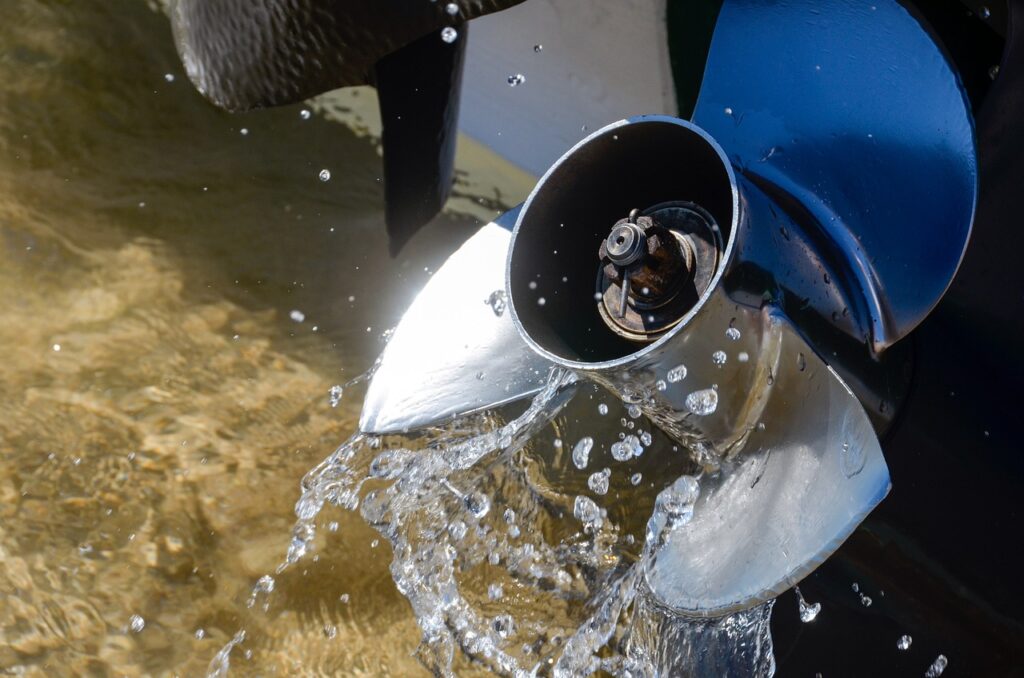
Inboard Motors:
Inboard motors are nestled within the hull of the yacht, often tucked beneath the deck or cabin. These engines reside within the vessel, offering a sleeker, more streamlined appearance. When it comes to inboard motors, here’s what you need to know:
Pros of Inboard Motors:
Choosing an inboard motor means opting for fuel efficiency and smooth operation. These engines are renowned for their excellent torque and control, making them ideal for those who relish long-distance cruising.
Moreover, inboard motors free up valuable deck space, allowing for more versatile and comfortable yacht designs. With ample room for cabins, living spaces, and various amenities, you can truly make your yacht a home away from home. Additionally, inboard motors are known for their quieter operation, creating a more tranquil atmosphere on board.
Maintenance of Inboard Motors:
As with any mechanical system, inboard motors require regular servicing to maintain peak performance. This includes routine tasks such as oil changes, filter replacements, and inspections of belts and hoses. These efforts may seem mundane, but they play a vital role in ensuring the reliability of your engine.
A critical aspect of inboard motor maintenance is caring for the cooling system. Proper monitoring and maintenance of the cooling system prevent overheating. It’s essential to check for any obstructions or debris that may impede the flow of cooling water.
Alignment and propeller care are equally significant. Ensuring proper alignment of the inboard motor and maintaining the propeller are essential for optimal performance. Misalignment can lead to increased wear and fuel consumption, which no yacht owner wants to encounter during their adventures.
Outboard Motors:
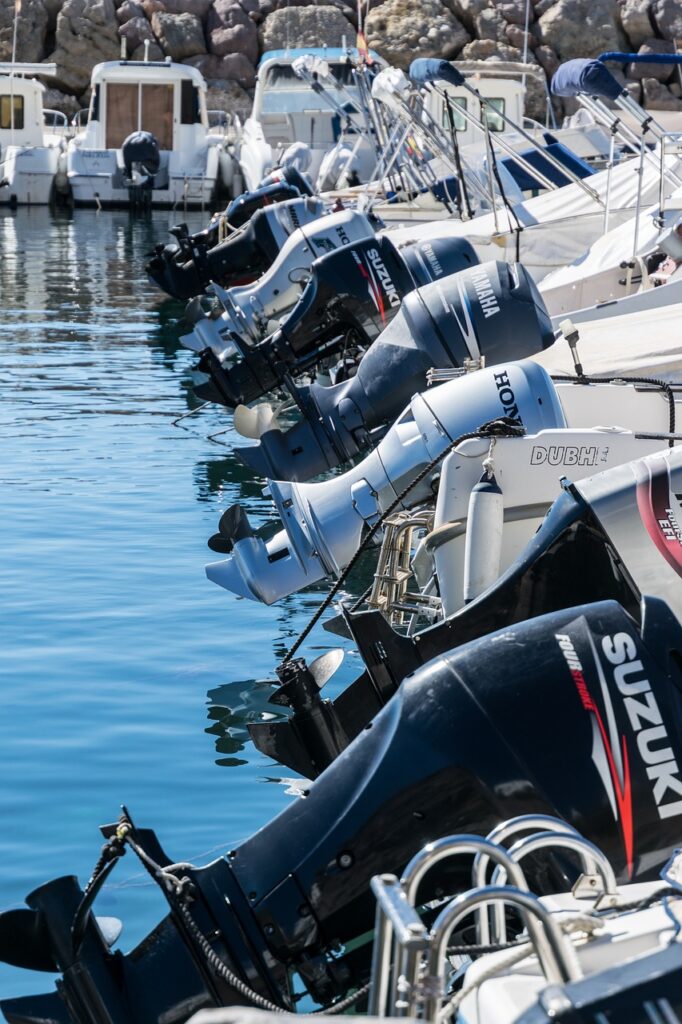
In contrast, outboard motors are attached externally to the stern of the yacht, offering easy accessibility. They are commonly found on smaller yachts and boats and have their own unique set of advantages and maintenance considerations.
Pros of Outboard Motors:
Outboard motors are celebrated for their simplicity, making them relatively straightforward to maintain and repair. One notable advantage is the ease with which they can be removed for servicing or replacement, simplifying maintenance tasks.
When it comes to maneuverability, outboard motors shine. They provide exceptional control and maneuverability, making them the go-to choice for navigating shallow waters and tight spaces.
Outboard motors are often favored for their cost-efficiency. They typically have lower initial costs compared to inboard motors, and their maintenance expenses tend to be on the lower side as well.
Maintenance of Outboard Motors:
The key to maintaining an outboard motor lies in regular inspection. Routine checks should be conducted to identify signs of wear, corrosion, or damage. Particular attention should be paid to the propeller, lower unit, and steering components.
To keep an outboard motor in top shape, it’s essential to maintain a clean and contaminant-free fuel system. Many outboard motors are sensitive to ethanol-based fuels, which can lead to fuel system problems. Using fuel stabilizers, if necessary, can help alleviate this concern.
The trim and tilt mechanism, responsible for adjusting the outboard’s position, also require attention. Regular lubrication and inspection ensure that this mechanism operates smoothly and efficiently.
Lastly, don’t overlook the propeller. Even minor damage to the propeller can have a noticeable impact on performance and fuel efficiency. Thoroughly examining the propeller for any signs of damage or debris is a crucial part of outboard motor maintenance.
When choosing between inboard and outboard motors, it’s essential to take into account your yacht’s size, intended use, and your own maintenance preferences. Inboard motors offer a sleek appearance, quiet operation, and space optimization, but they require more involved maintenance. Outboard motors, on the other hand, are simpler to maintain and cost-effective but may be better suited for smaller vessels and those who enjoy hands-on maintenance. Your choice ultimately hinges on your yachting goals and your willingness to engage in engine upkeep, ensuring that your yacht’s power source aligns perfectly with your vision for your maritime adventures.
Potential Special Features to Look For.
When you’re on the journey to find the yacht that captures your dreams, it’s not just about the basics; it’s about the special features that can make your yachting adventures truly unforgettable. While it might be tempting to start with a standard yacht and plan to add those extra touches later, there’s something truly captivating about exploring yachts that come already equipped with the special features you desire. It’s like finding a home that fits you perfectly, without needing renovations. These features not only save you the time and effort of retrofitting but also ensure that your voyages are ready for adventure, luxury, and absolute comfort right from the start. In this section, we’ll delve into a selection of special features that can turn your yachting dreams into reality, helping you make a choice that feels tailor-made for your unique journey.
1. Navigation and Communication Systems: Advanced navigation and communication systems are invaluable for safe and efficient yachting. Look for yachts equipped with GPS navigation, radar, autopilot, and VHF radios. Modern integrated systems offer real-time weather updates and electronic charts, ensuring you have the most accurate and up-to-date information at your fingertips. Consider additional features like AIS (Automatic Identification System) for enhanced vessel tracking and collision avoidance.
2. Stabilization Systems: Stabilization systems are a game-changer, especially for those prone to seasickness or seeking a smoother ride. Gyroscopic stabilizers or fins can minimize rolling and pitching, improving onboard comfort. Whether you’re enjoying a calm anchorage or cruising through choppy seas, stabilization systems provide a stable and enjoyable yachting experience.
3. Luxury Amenities: For a truly indulgent yachting experience, explore yachts with luxurious amenities. Features such as spacious cabins with ensuite bathrooms, well-appointed kitchens, and entertainment systems can transform your yacht into a floating paradise. Don’t forget to consider climate control, high-end furnishings, and a spacious deck for lounging and entertainment.
4. Tender and Water Toys: If you enjoy exploring remote coves or engaging in water sports, a yacht with a tender (a smaller boat often used for excursions) and a variety of water toys can enhance your adventures. Look for yachts with dedicated storage for tenders and equipment such as jet skis, paddleboards, snorkeling gear, and fishing equipment. These toys open up a world of possibilities for on-water fun.
5. Comfort and Safety Features: Prioritize safety and comfort with features such as stabilizing fins, robust anchoring systems, and advanced security systems. Yachts equipped with high-quality anchoring equipment and secure mooring systems provide peace of mind during your journeys. Additionally, fire suppression systems, emergency life rafts, and comprehensive first-aid kits are crucial for ensuring the safety of you and your passengers.
6. Entertainment Systems: Modern yachts often come equipped with sophisticated entertainment systems. Consider yachts with state-of-the-art audio-visual setups, including large-screen TVs, surround sound, and integrated streaming services. These systems allow you to enjoy movies, music, and even gaming while on board, providing entertainment options for everyone.
7. Fishing Equipment: If fishing is your passion, look for yachts with dedicated fishing amenities. Features such as fishing rod holders, bait preparation stations, and fish storage facilities can make your fishing expeditions more convenient and enjoyable. Some yachts even come with built-in fish finders and sonar systems to help you locate the best fishing spots.
8. Outdoor Dining and Entertainment Areas: Consider yachts with well-designed outdoor dining and entertainment areas. Spacious decks with seating, grills, wet bars, and al fresco dining options are perfect for hosting gatherings, enjoying meals in the open air, and taking in breathtaking waterfront views.
When choosing your yacht, carefully assess your priorities and the special features that align with your yachting aspirations. These features can significantly enhance your onboard experience, ensuring that your yacht not only meets your basic needs but also provides the luxury, convenience, and enjoyment you desire during your maritime adventures.
The First Chapter.
In the exhilarating world of yacht ownership, where dreams set sail and horizons stretch endlessly, the choices made along the way are paramount. From selecting the right yacht type to navigating the intricacies of hull materials, from pondering the merits of sailboats to powerboats, and from weighing the maintenance considerations of inboard to outboard motors—every decision contributes to the fabric of your yachting experience. Through this journey, we’ve sought to provide a personal and informed perspective on these critical choices, blending the art of seamanship with the practicalities of maintenance and enjoyment.
As you embark on your voyage into yacht ownership, let your heart guide you as you explore the vast ocean of possibilities. Whether you’re drawn to the timeless elegance of a sailboat, the power and convenience of a motorboat, or the charm of wooden, steel, or fiberglass hulls, your choice should resonate with your vision and passion for yachting. And don’t forget the special features that can transform your yacht into a floating paradise, making each moment on board an unforgettable experience. May the wind fill your sails, the sun warm your decks, and the open waters invite you to discover new horizons and create cherished memories on your yachting adventures.
Helpful Links:
here are some helpful links to outside content for further research on yacht ownership, maintenance, and related topics:
- BoatUS: Yacht Maintenance Tips
- YachtWorld: Choosing Between Sail and Power
- The Spruce: Pros and Cons of Different Hull Materials
- Boating Magazine: Inboard vs. Outboard Motors
- Discover Boating: Yacht Features and Amenities
These links offer a wealth of information to help you delve deeper into yacht ownership, maintenance, and various aspects of choosing the right yacht for your needs.
Great article and very informative!
Thanks
Fantastic article, very informative!
Nothing better than being on the water!